
The year 2026 may become a decisive window for the upward trajectory of China–U.S. relations. After a period of tension that felt like an undeclared truce, both countries are approaching a moment of reset. The real challenge is to prevent the relationship from crashing through the guardrails—to ensure that strategic competition does not spiral into irreversible confrontation.
To avoid that outcome, we must begin with historical strategic memory. The generation of Chinese leaders who lived through the Korean War and the Vietnam War carried deep scars and sober lessons about the cost of conflict.
Mao Zedong and Zhou Enlai made the difficult strategic decision to reopen dialogue and begin normalizing relations with the United States. That breakthrough laid the foundation for more than four decades of engagement. What followed was next generational soundgrounded feel of the gradual accumulation of cross-cultural trust, institutional communication, and crisis-management experience.
In earlier decades, the United States often acted as the stronger partner in the global system. Today, China has grown resilient and confident. This shift does not require either side to dominate the other. Having both experienced the harsh logic of power politics, the two countries are uniquely positioned to rise above it.
China and the United States are not locked in a relationship of endless hegemonic extraction—“adding fuel to a fire that never burns out.” Nor is their relationship destined to be zero-sum. It can instead resemble something more mature: two major powers recognizing each other’s growth and learning to move forward side by side.
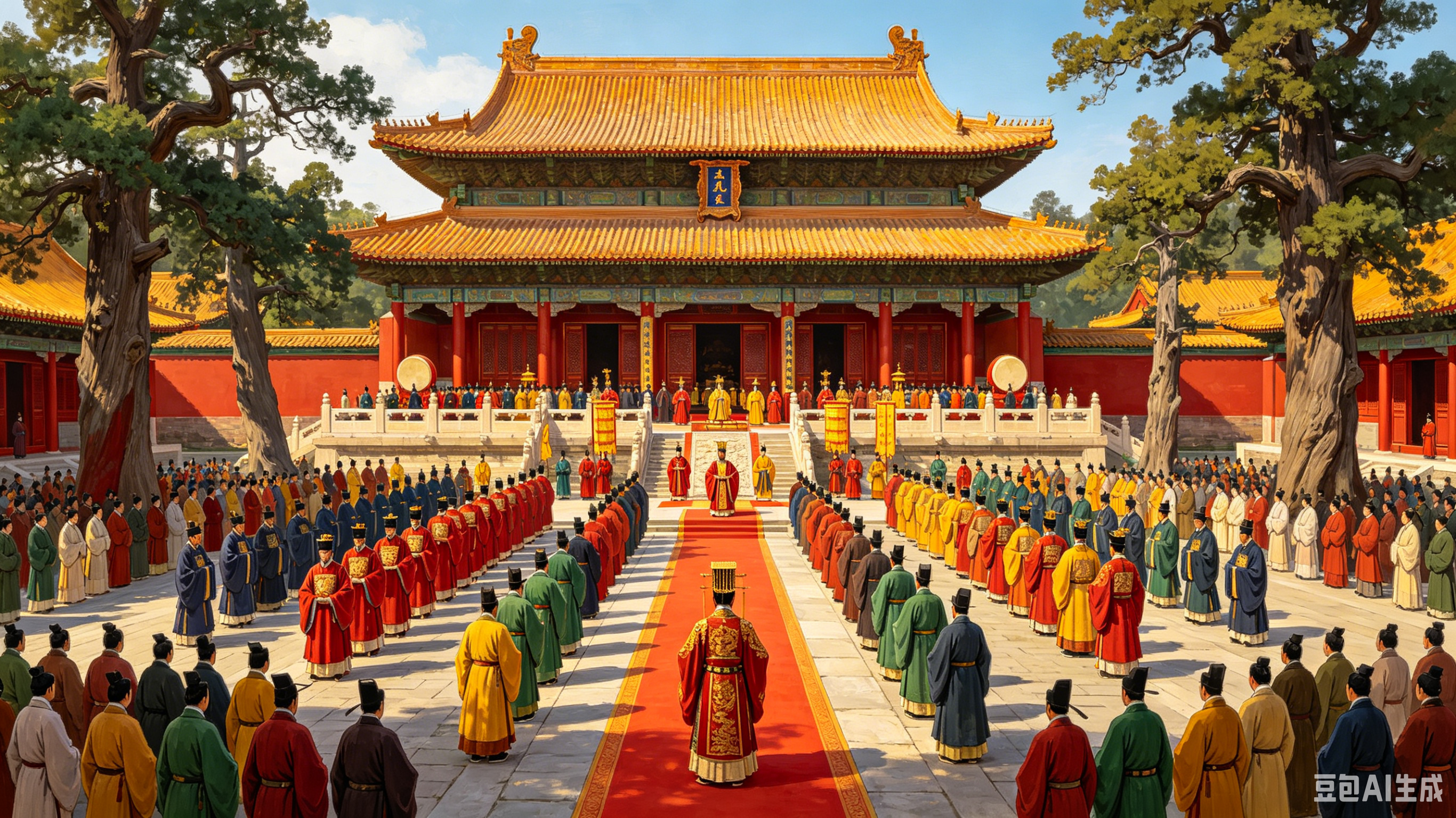
In the Chinese historical drama Taiping Nian (The Peaceful Years), the ruler of the Wuyue Kingdom, Qian Hongchu chose to “offer his territory to the Song dynasty” in a peaceful transfer of sovereignty—an act remembered as “纳土归宋.” He explained that this decision was not merely his personal choice, but reflected the collective will of his people to avoid endless war and seek lasting stability.
Some may see in that story a symbolic lesson: that enduring peace sometimes requires transcending narrow sovereignty for a larger order. If China and the United States, as leading powers, were to demonstrate similar historical courage—strengthening global institutions such as the United Nations and placing shared human interests above rivalry—the possibility of a more harmonious world would no longer seem distant.
A more peaceful international order does not depend on the will of any one individual. It reflects the deeper aspirations of global citizens who understand that chaos benefits no one. Humanity does not need to endure the full pain of disorder before rediscovering wisdom.
To read the strategic moment clearly, to act with foresight rather than impulse—that is the most lucid choice before the world. The future need not be written by collision. It can be shaped by restraint, maturity, and shared responsibility.
2026年是决定着运势升腾的关键窗口期,中美将迎来休战一年后的关系重置,要让中美关系在撞破护栏之前悬崖勒马,该从历史上的政治互信的战略记忆入手,经历过朝鲜战争和越南战争的红一代对美国的情感羁绊有着切齿之痛。正是毛主席和周总理燃尽生命的灯油,主导重启中美关系正常化,红二代继而感受到中美40年来整体关系的厚重感,这来自积累的跨文化互信和危机管理经验。
过去有美国老大哥拉小弟一把,如今中国茁壮瓷实,有什么理由不搀扶美国并肩前行,正是曾经经历过丛林社会,才会超越丛林法则。中美不是“以地事秦,如抱薪救火,薪不尽,火不灭”霸权剥削关系,而是老大哥看到小弟在历练中出息了,感到由衷地欣慰和骄傲。
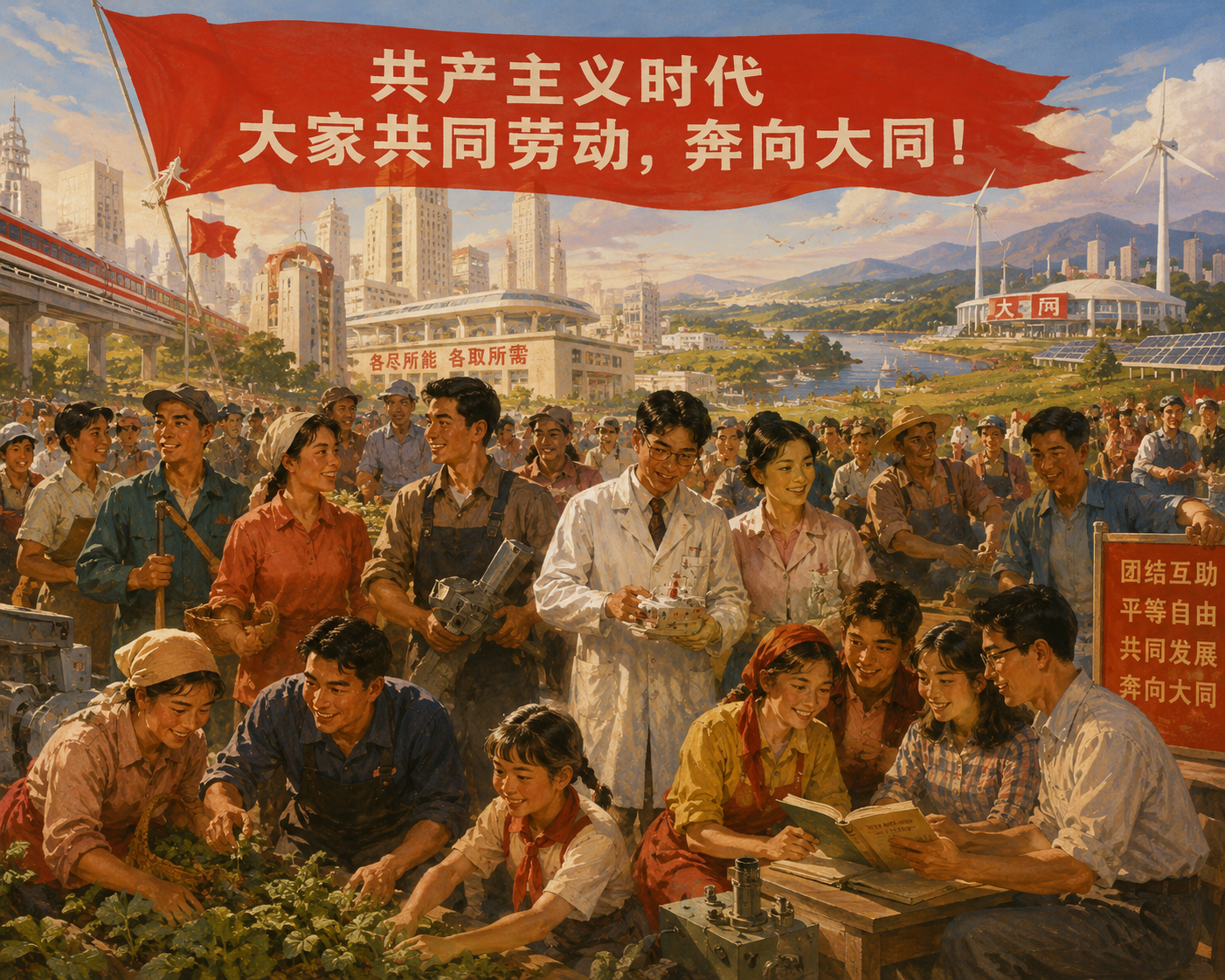
若中美带头像《太平年》中吴越国钱弘俶“纳土归宋”那样,将主权共同转让给联合国,世界大同则可唾手而得。正如钱弘俶所说的,“纳土归宋”不是他个人能主宰的,而是吴越国国民的集体意志。同样,世界大同深得民心,不以个人的意志为转移,全球人民也没必要等到尝尽了乱世阵痛的百般滋味,才知道迷途知返,谋势而动、策马跨崖才是马年全球意志中最大的人间清醒。
Follow Us
Great Unity and Ultimate Good(《大同至善》) is dedicated to tackling tough global challenges in the humanities and social sciences — intervening in crises, resolving complex problems, and designing strategies to address emerging issues.
Our organization operates in both non-profit and for-profit areas. For valuable public-interest projects or private collaborations, we work through our legal entity: Datong thinktank.
At Datong thinktank, we’re building a platform to attract and collaborate with outstanding talent—like ancient nobles who built “golden terraces” to invite the wise, or like strategists seeking heroes in their thatched cottages. In other words, we’re actively looking for brilliant partners and contributors.
Datong thinktank also provides foreign clients with due diligence services and open-source intelligence (OSINT) research.
Thank you for taking the time to follow and support us!
Domestic contact (China): WeChat ID — qiushuce
International contact: X (Twitter) — @qiushuce
Social media in China: WeChat Official Account / Toutiao — Great Unity and Ultimate Good(大同至善)
Official website: qiudatong.com
关注我们
《大同至善》致力于在人文社科领域解决全球棘手难题、干预化解危机、设计对策应对挑战。组织业务板块分为公益性和盈利性两部分,即有价值的公益性课题或私人合作需求。大同智库在此筑黄金台,嘤其鸣矣,求其贤者,三顾茅庐,天命征召。大同智库还面向海外客户,提供涉外尽职调查服务和开源情报研究。谢谢您的耐心观看和支持!
国内请联系小同微信号:qiushuce
国外请联系X账号:@qiushuce
国内社交媒体矩阵为:大同至善(微信公众号/今日头条)


发表评论